A synthesizer is an electronic instrument that generates and shapes sound with oscillators, filters, and envelopes. If you need chords, bass, leads, or effects from one instrument, the choice depends on voice count, keyboard size, and whether it stores sounds. Start by deciding how many notes you need at once, then compare that with your own playing style and setup.
When a synth can handle chords, patterns, and MIDI
Many buyers expect one synth to cover every job. That only works when the instrument has enough polyphony for chords, a sequencer for patterns, and the right MIDI connections for the rest of your gear. If you only need a single bass line or a few simple parts, a smaller unit can do the job for less money.
If you are looking for a low-end foundation, see our comparison of the best synthesizer for bass.
How a synthesizer works
A synthesizer starts with an oscillator, which generates the core sound. That raw tone then passes through a filter, which shapes the tone by changing which frequencies stay loud. An envelope generator controls how notes start and fade, so the same sound can hit fast or swell slowly.
For those seeking a classic warmth, explore how to choose the best analog synthesizer.
How a synth signal moves from oscillator to envelope
The order matters. First the oscillator makes a waveform. Then the filter trims or emphasizes parts of that waveform. Then the envelope generator changes the level over time, which gives the note its attack, sustain, and release behavior.
Modern sounds often rely on processing, so view our roundup of the best digital synthesizer.
Why a sequencer matters for repeating synth patterns
A sequencer stores and plays note patterns, so you can trigger a phrase without playing every note live. That matters when you want repeating bass lines, arpeggiated parts, or timing that stays fixed while you change other controls. If a synth has no sequencer, you must play or record each phrase elsewhere.
Synthesizers we have reviewed in detail
Prices across these 3 run from $119 to $334.42; each one has a full review here.
To produce club-ready tracks, look at the best synthesizer for making electronic music.


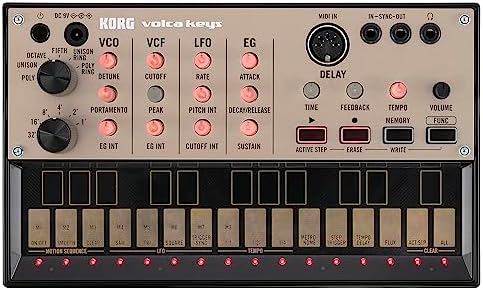
Synthesizer parts that change the result
The oscillator decides the starting material. A single oscillator usually gives a simpler tone, while more oscillators can thicken the sound or let you layer intervals. More oscillators do not guarantee better sound; they mainly expand the raw palette you can shape later.
Budget-conscious newcomers can find a great starting point in our guide to the best synthesizer for beginners under $500.
How a synth filter shapes brightness and resonance
The filter changes brightness and weight. A low-pass filter removes high frequencies, which is why many synth basses sound rounder after filtering. A filter with resonance can emphasize the cutoff point, which gives a sharper edge without adding another oscillator.
If you need to play on the go, see our roundup of the best portable synthesizer.
How an envelope generator shapes attack and release
The envelope generator controls timing. Its attack sets how quickly the note begins, and its release sets how long it fades after you lift a key. If you want plucked sounds, you need short attack and short release; if you want pads, longer settings matter more.
Why sequencer step count matters for synth patterns
The sequencer changes how much pattern work you can do inside the instrument. A 16-step sequencer is the minimum pattern length most buyers expect for hands-on riff building, and shorter patterns limit variation. If you plan to build evolving parts inside the synth, step count matters more than extra preset slots.
Limited desk space requires a specific footprint, so explore the best compact synthesizer for small spaces.
How MIDI DIN and USB-MIDI fit different synth setups
MIDI DIN is the common hardware sync and control standard across synths and drum machines. It uses round ports for timing and note data, which helps when you want the synth to follow external gear without a computer. USB-MIDI is the standard for direct computer connection and DAW integration, so it matters more if your setup centers on software.
Understanding your options is easier when you view what synthesizers cost at each price level.
What a synthesizer changes in practice
A synthesizer changes practice most when you need sounds that a fixed keyboard cannot give you. You can build basses, leads, pads, and effects from the same instrument, then store those sounds if patch memory is included. That makes it useful for a small studio, a live rig, or a first sound-design setup.
Clarify confusing technical jargon by viewing our guide to synthesizer terms and specs.
When a preset keyboard makes more sense than a synth
It matters less when you only need one stable sound and never plan to edit it. A simple preset keyboard may be cheaper if you mainly want piano, organ, or a small set of fixed tones. The extra controls on a synth only pay off when you change sounds often.
Selecting the right tactile feel is vital, so compare different keys for synthesizers.
Why polyphony is the first synth limit to check
Polyphony is the first practical limit to check. Four voices is the floor for basic polyphonic chords and pads, so anything below that will force compromises on harmony. If you play one note at a time, monophonic designs can still work for bass and lead lines.
How key count affects synth playing comfort
Key count changes comfort, not sound quality. Mini keys or a touch keyboard only can make technique and velocity control harder, especially if you already play full-size keyboards. If you want to learn phrasing with both hands, more keys usually matter before deeper menu features do.
Determine your hardware needs by seeing how many sequencer steps for synthesizers you actually need.
Is a synthesizer worth the price?
Is a synthesizer worth the price for what you get?
A synthesizer is worth the price when the controls match the sounds you want to shape. If the unit has few voices, a small keybed, and no patch memory, part of the cost may go to size rather than flexibility. You should compare the control set against the sounds you want to build, not against the name on the panel.
To understand different architectures, look at our breakdown of the types of synthesizers.
Is the sound engine flexible enough for many sounds?
The sound engine is flexible enough when it can cover basses, leads, pads, and effects without forcing one role. Multiple oscillators, a usable filter, and a responsive envelope generator make that easier. If the instrument has only a narrow control set, it may still sound good, but it will lean toward one job.
For a deep dive into this classic design, see our full review of the MODEL D.
Is this a good first synth for learning sound design?
A first synth is good for learning when the signal path is clear and the controls are direct. You learn faster when you can hear how oscillator, filter, and envelope generator change the same patch. If the instrument hides those stages behind deep menus, the learning curve gets steeper.
Is the patching system flexible enough for weird sound design?
Patching is flexible when you can route signals in more than one way and combine controls without losing the basic signal path. That flexibility matters for unusual textures, feedback-style sounds, and moving timbres. If the routing is fixed, the synth can still be useful, but the range of strange results is narrower.
If you want a portable powerhouse, view our full review of the microKORG.
Will I outgrow a first synth too quickly?
You outgrow a first synth quickly when it has too few voices, too little pattern storage, or no way to recall sounds. A larger control set delays that problem because it gives you more ways to shape the same instrument. If your goal is only one style, a simpler synth can stay useful longer than a more complex one you never learn.
Discover how this keyboard performs in our full review of the MX49BK.
Who needs a synthesizer, and who does not
You need a synthesizer if you want to build sounds instead of only selecting them. It also makes sense when you need chords, patterns, or direct control over tone shaping. If you already have those needs covered in software or another keyboard, the extra hardware may not add enough.
Check out how the J-6 performs in our full review.
You do not need one if you only want a few fixed sounds and no editing. You also do not need one if mini keys or touch controls would block your playing. The right choice depends on whether you want sound creation, performance control, or both.
Top Discounts is reader-supported: some links on this page are affiliate links, and as an Amazon Associate Top Discounts earns from qualifying purchases at no extra cost to you. Learn more.