A 12 string guitar is a string instrument with 12 strings arranged in paired courses, and it makes one player cover doubled notes with each chord. You need one when you want that fuller, chiming texture and you can handle the extra setup demands. First decide whether you want the doubled-course sound more than easier fretting; the answer changes with your hand strength and tuning tolerance.
12 string guitar tradeoffs beyond volume alone
Many buyers expect the main trade to be volume alone. It is not. The bigger issue is string tension, intonation, and how much effort you want to spend keeping paired strings in tune and clean up the neck.
How a 12 String Guitar Works
A 12 string guitar works by pairing six courses of strings, so each fretted note or chord rings with two strings instead of one. The extra strings change both tuning work and left-hand pressure. That is why the first question is not volume, but whether the neck and setup suit your playing.
- First, the nut sets string spacing at the headstock end, so each pair starts in the right lane.
- Next, the tuning machines hold pitch and make tuning possible, which matters more here because there are 12 strings to bring up evenly.
- Then the strings cross the fretboard, which determines note spacing and left-hand feel as you move through chords and melodies.
- After that, the bridge anchors the strings and affects intonation, so paired notes land in tune along the neck.
- Finally, the body shape and top move the air, which is where the doubled courses create the familiar shimmer.
Poor intonation and setup cost more on a 12 string guitar than on a six-string instrument. When the paired strings drift, chords sound sour up the neck instead of simply sounding fuller.
12 String Guitars we have reviewed in detail
Prices across these 3 run from $239.99 to $369.99; each one has a full review here.
Many players prefer a full sound, so we identified the best 12 string guitar for strumming songs.
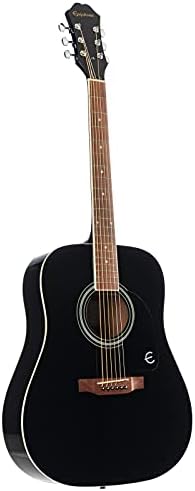


12 String Guitar Parts That Change the Result
The fretboard, bridge, nut, and tuning machines change how a 12 string guitar feels and stays in tune. Each part affects a different stage of the note path, so a weak link shows up fast.
The fretboard determines note spacing and left-hand feel. A tighter feel can help smaller hands reach chords, but the wrong spacing makes the doubled courses harder to cleanly fret.
The nut sets string spacing at the headstock end. That spacing matters because the pairs need room to ring without crowding each other.
The bridge anchors the strings and affects intonation. If the bridge layout is off, the octave and unison pairs do not line up cleanly as you move up the neck.
The tuning machines hold pitch and make tuning possible. On a 12 string guitar, they matter more than on a six-string because every string adds another point of drift.
You can find our recommendations for the best 12 string guitar for home recording to get the perfect studio sound.
12 string guitar body shapes and acoustic-electric options
Dreadnought is the main full-size body shape buyers compare for volume and bass response. Concert / small body is the competing format for comfort, balance, and a less boomy response. Acoustic-electric adds onboard pickup/electronics versus a purely acoustic instrument, which changes whether you can plug in without extra gear.
What a 12 String Guitar Changes in Practice
A 12 string guitar changes the sound most clearly in open chords, ringing arpeggios, and rhythm parts that need width. The doubled strings give those parts more shimmer and density without changing the chord shapes you already know.
It changes less in lead work that depends on fast bends or wide vibrato. Extra string tension and paired courses make those moves less forgiving, especially if the setup is not clean.
If you play mostly at home, the main gain is texture. If you play long sets, the main cost is time spent tuning and retuning.
Size also matters in practice. A dreadnought body gives the full-size shape many players expect for bass and projection, while a concert / small body can be easier to live with if comfort matters more than low-end weight.
For those needing versatile electronics, explore the best acoustic electric 12 string guitar options.
12 String Guitar Value and Fit Questions
Is a 12 string guitar worth the price if I want to save money?
A 12 string guitar is worth the price when the doubled-course sound matters more to you than the extra upkeep. You give up some simplicity, because 12 strings mean more tuning time and more setup sensitivity than a six-string.
If your main goal is cheap practice, a six-string usually gives more flexibility for the money. If your goal is a wider acoustic texture, the extra cost buys a sound that a standard six-string does not make.
Will a dreadnought body feel too big if I’m smaller framed?
A dreadnought body can feel large if your shoulders or lap prefer a smaller outline. The shape is built for volume and bass response, not compact comfort.
If you want easier holding and less body depth against you, a concert / small body is the format to compare first. If you care more about projection than a smaller footprint, the full-size shape makes more sense.
Left-handed musicians can browse the best left handed 12 string guitar selection available.
Does a solid Sitka spruce top age better than cheaper tops?
A solid Sitka spruce top is the version to consider if you want a top that can change over time as the instrument ages. Cheaper laminated tops do not offer the same solid-wood construction.
Age alone does not guarantee a better result. The real question is whether you want the possibility of a more open acoustic response after years of use, or a lower-cost build with less long-term change.
Will a solid Sitka spruce top sound brighter and more responsive?
A solid Sitka spruce top is often chosen for a brighter, more responsive sound. That comes from the top material itself, not from the 12-string format alone.
If you want a softer or darker voice, spruce may not be the first choice. If you want clearer attack and more immediate response, solid spruce is the material to watch.
Do I need a case or special strings that raise the real cost?
A 12 string guitar often needs special strings, and that adds to the real cost of ownership. A case can also matter if you want protection during storage or travel.
For a deeper look at the entry-level model, see our full FS830 review.
The extra cost is not just the instrument price. You should budget for replacement strings more often than a casual six-string player usually does, because there are twice as many strings to change.
Who Needs a 12 String Guitar and Who Does Not
You need a 12 string guitar if you want paired-course shimmer, play mostly rhythm or arpeggiated parts, and can handle extra tuning work. You also need a build that keeps intonation stable, because setup problems become obvious fast on this format.
You do not need one if you want the easiest fretting, the simplest string changes, or the lowest ongoing cost. A six-string is the better fit when comfort, speed, and routine maintenance matter more than the doubled sound.
If you are smaller framed, start by comparing body size before chasing body style. If you are budget-first, compare the cost of strings and setup as part of the instrument, not as an afterthought.
The other 12 stringer guides we have published
Top Discounts is reader-supported: some links on this page are affiliate links, and as an Amazon Associate Top Discounts earns from qualifying purchases at no extra cost to you. Learn more.