Our Top 3 Picks for Bass
The best bass synthesizer is the Korg VOLCABASS because its 16-step sequencer drives short bass patterns for players who want hands-on riff building.
We went through 5 Synthesizer options to build this list. These 3 are the ones worth your time.
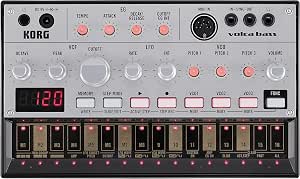
#1 – Korg VOLCABASS
Best for: you want a bass synth with a 16-step sequencer, battery power, and a built-in speaker for quick pattern work.
Why the Korg VOLCABASS is our #1 pick
- Listed at $149.10 in November 2026 – mid-range among those compared; the price moves, so check it
- 4.6 rating from 307 ratings
Sequencer steps: 16-step sequencer
Against the other picks on sequencer steps, pick #2 states 16-step.

#2 – Behringer TD-3-MO-SR Modded Out Analog Bass Line Synthesizer
Best for: you want a bass line synth with a 16-step sequencer, 7 tracks, and 250 user patterns per track for deeper pattern storage.
Why the Behringer TD-3-MO-SR Modded Out Analog Bass Line Synthesizer is our #2 pick
- Listed at $199 in November 2026 – mid-range among those compared; the price moves, so check it
- 4.6 rating from 113 ratings
Sequencer steps: 16-step
To put that sequencer steps in context, pick #1 states 16-step sequencer and pick #3 states 16-Step Sequencer.

#3 – Behringer TD-3-BK
Best for: you want a bass synth with 16-voice poly chain support and a 16-step sequencer for layered lines and short riffs.
Why the Behringer TD-3-BK is our #3 pick
- Listed at $149 in November 2026 – entry among those compared; the price moves, so check it
- 4.5 rating from 382 ratings
Polyphony voices: 16-Voice Poly Chain · Sequencer steps: 16-Step Sequencer
For comparison on sequencer steps, pick #2 states 16-step.
You can find the full Yamaha MX49BK review to see its specific features.
How Top Discounts picked: we started from the 200 most-reviewed synthesizer listings in our retail dataset, removed duplicates, accessories and off-category products, and 84 qualified. The picks on this page were selected from those 84 candidates against this topic’s requirements. The order of the picks reflects fit to this topic; each shows its rating and the number of ratings behind it, so you can weigh how much to trust it. Specifications come from manufacturer listings and ratings from verified Amazon buyer reviews (data checked November 2026).
What We Recommend and Why
If you already own a basic monophonic box and want a second synth for bass lines, the deciding detail is whether it gives you enough pattern length for quick riffs.
Korg VOLCABASS is the fit for that upgrade path because its 16-step sequencer keeps short ideas practical. Pick the Behringer TD-3-MO-SR if you want a more modified acid-bass voice. Pick the Behringer TD-3-BK if you value the 16-Voice Poly Chain and a lower asking price.
We screened 84 Synthesizers at Top Discounts and kept 5 in the comparison because they matched this page’s bass-synth use and pattern-building needs. The shortlist runs from $149 to $199, and the median price of the 5 products in our comparison is $149.10.
Find the minimum specs you need in the requirements section before making a purchase.
Visit the FAQ to get quick answers to common questions about bass synthesis.
Explore the detailed reviews for an in-depth look at every individual product.
What This Page Concludes About Synthesizers for Bass
- Top pick: Korg VOLCABASS at $149.10 (Sequencer steps: 16-step sequencer).
- Also picked: Behringer TD-3-MO-SR Modded Out Analog Bass Line Synthesizer at $199; Behringer TD-3-BK at $149.
- We compared 5 Synthesizers, from $128.99 to $239.74, median $149.10.
- Best buyer rating in the comparison: Korg VOLCABASS at 4.6/5 from 307 ratings.
Full Comparison Table of Synthesizers for Bass
| Product | Price | Rating | Sequencer steps | filter response for bass shaping |
|---|---|---|---|---|
| Korg VOLCABASS | $149.10 | 4.6 (307 ratings) | 16-step sequencer | low-pass filter with resonance |
| Behringer TD-3-MO-SR Modded Out Analog Bass Line Synthesizer | $199 | 4.6 (113 ratings) | 16-step | 4-pole low-pass resonant filter |
| Behringer TD-3-BK | $149 | 4.5 (382 ratings) | 16-Step Sequencer | 4-pole low-pass resonant filter |
| Korg Volca Nubass | $239.74 | 4.4 (264 ratings) | 16-step | — |
| Korg Volca Kick/Bass | $128.99 | 4.6 (106 ratings) | Not stated | — |
Prices are approximate and move frequently – check the current price before deciding. “Not stated” means the manufacturer listing does not give that figure – we do not estimate it.
Among our top picks, Behringer TD-3-BK is the value leader because $149 for a 16-Step Sequencer matters for sequenced bass control.
The Full Review of Each Pick for Bass
The 3 picks below are reviewed in the same order as the cards above.
Korg VOLCABASS
The VOLCABASS is the most directly bass-focused pick here because it pairs three analogue oscillators with a low-pass filter and a 16-step sequencer. If you build bass riffs by hand, that step count is the part that keeps short patterns practical. Battery power and a built-in speaker also make it easier to set up quickly for sketching lines away from a desk.
What we like: Its 16-step sequencer is enough for the short bass patterns most players program first. The eight memory patches help if you want to keep a few lines ready, and Sync In and Out matter when you want it to lock with other gear. If you are building a bass synth setup around quick riff writing, prioritize the sequencer and sync options over extra sound design depth.
Keep in mind: The VOLCABASS does not state MIDI DIN or USB-MIDI, so computer integration is not confirmed here. The built-in speaker is handy for practice, but it will not replace a full monitoring chain for low-end work.
Behringer TD-3-MO-SR Modded Out Analog Bass Line Synthesizer
The TD-3-MO-SR suits players who want a bass line synth with more shaping control than a basic pattern box. Its analog signal path, VCO, VCF, and VCA designs give you the core subtractive chain for bass work, and the 16-step sequencer keeps short lines easy to program. The filter section adds cut-off, resonance, envelope, decay, and accent, so you can shape movement inside the line rather than leave it static.
What we like: Accent shapes bassline dynamics and groove, and this model states that control directly in the filter section. Slide defines legato bass phrasing, and that is part of the classic bass-line workflow this unit is built around. Seven tracks and 250 user patterns per track give you more room for variation than a single pattern slot.
Keep in mind: The TD-3-MO-SR is a focused bass line synth, so it is less about broad keyboard-style playing and more about sequenced lines. If you want full polyphonic parts, this is not the direction to take.
Behringer TD-3-BK
The TD-3-BK is the value-oriented bass synth in this group because it keeps the analog bass-line formula at around $149. It states a 16-Voice Poly Chain and a 16-step sequencer, so it gives you a pattern length that works for riff building and a chaining option for larger note stacks. The analog circuitry, VCO, VCF, and VCA layout keeps the focus on bass and groove sounds.
What we like: The 4-pole low-pass resonant filter and its cut-off, resonance, envelope, decay, and accent controls give you the standard bass-line shaping tools. That matters if you want to build movement into a line instead of relying on presets. If you are upgrading from an older monophonic bass box, the poly chain is the detail to check first.
Keep in mind: The poly chain is not the same thing as stated note polyphony, so you should treat it as a setup detail rather than a shortcut to chords. The rating count is 382, but the sound-shaping controls are the real reason to consider it.
Identify your specific needs and see the audience checklist to find your perfect match.
Consult the buying guide to understand the key criteria for selecting the right hardware.
View the comparison table for a side-by-side look at all the technical specifications.
Consider reading our detailed Korg monologue review for a deeper technical look.
What to Look For in a Synth for Bass
What low-end weight and punch a synth should have
Look for an oscillator section that gives you direct bass weight before you add processing. Korg VOLCABASS states three analogue oscillators, and that gives it a clearer low-end starting point than a single-oscillator bass line layout. Behringer TD-3-MO-SR uses an analog signal path with sawtooth and square waveform VCO options, while TD-3-BK states true analog circuitry for bass and groove sounds. For layered bass patches, the 16-Voice Poly Chain on TD-3-BK matters more than extra menu depth, because voice count is what lets notes stack instead of cutting off. Roland JUNO-60 is the classic subtractive poly synth benchmark here; VOLCABASS answers that idea with three oscillators and a bass-first layout, not with broad chord work.
Filter Response For Bass Shaping
Weigh filter response for bass shaping by how much control the low-pass section gives you over cutoff, resonance, envelope, decay, and accent. VOLCABASS states a low-pass filter with resonance, which gives you the core bass-shaping move without extra complexity. TD-3-MO-SR adds a 4-pole low-pass resonant filter, and its cut-off, resonance, envelope, decay, and accent controls make the shaping more explicit. TD-3-BK states the same 4-pole low-pass resonant filter and the same control set, so the separating factor here is not the filter type alone but how much hands-on control you want around it. Korg MS-20 is the raw analog and patching benchmark; TD-3-MO-SR and TD-3-BK stay closer to that direct filter workflow than VOLCABASS does.
What sequencer pattern control a bass synth should offer
Hold out for at least 16 steps if you want to build bass riffs and short patterns by hand. VOLCABASS states an Electribe-style 16-step sequencer, and that is enough for a complete bass loop without stretching the pattern. TD-3-MO-SR also states a 16-step sequencer, plus 7 tracks and 250 user patterns per track, so it gives you more pattern storage around the same step length. TD-3-BK states a 16-Step Sequencer as well, so the real separator is pattern control rather than step count alone. The 16-step sequencer is the minimum pattern length most buyers expect for hands-on riff building, and all three picks state that length.
Mono Or Paraphonic Bass Behavior
Check voice count first if you want clean mono lines versus layered bass patches. A monophonic bass synth keeps single-note lines tight, while more voices let you stack notes or use poly chain behavior for thicker parts. TD-3-BK states 16-Voice Poly Chain, so it is the clearest option here for layered bass behavior rather than strict single-note work. VOLCABASS and TD-3-MO-SR do not state a voice count, so their bass use has to be judged from the sequencer and oscillator data instead. If you need chords or stacked harmony, voice count matters more than a longer pattern.
How drive and distortion shape bass synth character
Choose drive and distortion character by the kind of harmonic edge you want, not by the brand name on the panel. TD-3-MO-SR states transistor wave-shaping circuitry, and that points to a more aggressive acid-bass edge than a plain low-pass setup. TD-3-BK states the same transistor wave-shaping circuitry, plus VCO, VCF, and VCA designs, so its drive path is built into the analog signal path rather than added later. VOLCABASS does not state distortion circuitry, so its bass character comes from three oscillators and filter resonance instead. The drive and distortion question set these apart most clearly between the TD-3 models and VOLCABASS.
Study how the Behringer MODEL D performs in our dedicated analysis.
Narrow down your search by learning how to choose your synthesizer keys.
What Each Job Takes, Worked Out for These Picks
Each row is a job this page’s buyers ask about, worked out from each pick’s listed sequencer steps and MIDI DIN ports and a typical need for the job.
| What you want to do | What it takes | How each pick does |
|---|---|---|
| Build 16-step bass riffs and short patterns by hand | at least 16 steps | Korg VOLCABASS: yes (16 steps); Behringer TD-3-MO-SR Modded Out Analog Bass Line Synthesizer: yes (16 steps); Behringer TD-3-BK: yes (16 steps) |
| Sync it to other hardware with standard round MIDI cables | at least 1 ports | Korg VOLCABASS: not stated; Behringer TD-3-MO-SR Modded Out Analog Bass Line Synthesizer: not stated; Behringer TD-3-BK: not stated |
What each job takes is a typical figure, not a manufacturer claim, and every result is worked out from the pick’s listed specifications. Check your own job against them before you order.
Who Buys Synthesizers, and What It Really Costs
Who buys a synthesizer, and what each one needs
- Bedroom producers making bass lines — need monophonic operation when chords are not the goal
- Live electronic performers — need MIDI DIN ports for hardware sync and control
- DAW users building bass parts — need USB-MIDI for direct computer connection
- Keyboard players with small studio setups — need patch memory to recall bass sounds reliably
- Beginners learning subtractive synthesis — need at least 4 voices when they also want pads and chords
- Sequencer-based beatmakers — need a 16-step sequencer for hands-on riff building
What a synth really costs, and where to buy one
What to budget for on top of the synth
- MIDI cables — needed to connect to other hardware through MIDI DIN
- USB cable — needed for computer connection and DAW use
- Audio cable — needed to send the synth to speakers or an interface
- Amplified speaker or headphones — needed to actually hear the instrument
- Power supply or batteries — needed to run the synth
What you can leave out of the budget
- External keyboard controller — unnecessary if the synth already has keys
- Separate sequencer box — unnecessary if the built-in 16-step sequencer is enough
- MIDI interface — unnecessary if USB-MIDI handles the computer link
- Large studio mixer — unnecessary for a simple bass-focused setup
Where this kind of product is normally sold
- Music instrument retailers — usually offer return windows, setup help, and warranty handling
- Online music stores — often bundle accessories and make price comparison easy
- General e-commerce marketplaces — broad selection and variable return policies
- Used gear shops — lower upfront cost, but condition and warranty handling vary
- Local pro-audio dealers — can help with compatibility questions and in-person testing
Ensure your gear meets local regulations by viewing the synth safety and certification standards.
What It Takes to Run One, and What to Verify
What you need before these bass synths will work
Power is the first requirement here, because the Korg VOLCABASS runs on battery power, the Behringer TD-3-MO-SR does not state a power source, and the TD-3-BK also leaves power unstated.
- Korg VOLCABASS is the only pick here that states optional battery power, so you can run it without planning a mains setup.
- Behringer TD-3-MO-SR Modded Out Analog Bass Line Synthesizer does not state battery power, so plan on a separate power adapter if your setup needs one; the listing does not say one ships in the box.
- Behringer TD-3-BK does not state battery power either, so it belongs in a powered setup rather than a portable one.
- Korg VOLCABASS states a built-in speaker, while the TD-3-MO-SR and TD-3-BK do not, so the Korg can work without an external monitor for basic practice.
What to check when your bass machine arrives
Cover differs by seller and country, so check the unit itself first.
- Confirm the sequencer buttons respond and the display or pattern controls work, because all three picks rely on a 16-step sequencer for bass riffs and short patterns.
- Check the audio output level before you patch it into a mixer or interface, because that setting affects gain matching and the listings do not state a fixed level.
- Inspect any MIDI DIN sockets or USB-MIDI ports if you plan to sync with other gear, because the page’s category reference points treat MIDI DIN and USB-MIDI as the normal control standards.
- Look over the speaker grille on the Korg VOLCABASS, because its built-in speaker is a live part of the setup and not something you can replace easily.
Power it on, load one pattern, and confirm the 16-step sequencer runs before the return window closes.
Synthesizers for Bass: The Questions This Choice Raises
Is the filter good enough for bass, and should I look for low-pass, resonance, or drive?
The filter good enough for bass is a low-pass design with resonance, because bass lines need the lows kept in place while the cutoff shapes the edge. The Korg VOLCABASS and both Behringer TD-3 models state low-pass or resonant filter sections; the VOLCABASS also adds three analogue oscillators and eight memory patches.
What price range gives me a synth that is actually good for bass, not just cheap?
A price range around $149 to $199 is where these bass synth picks land, and that span includes the Korg VOLCABASS, the Behringer TD-3-BK, and the TD-3-MO-SR. What should you spend if you want simple step programming for bass riffs? The VOLCABASS and TD-3-MO-SR each state a 16-step sequencer, and the TD-3-BK states a 16-step sequencer too.
Will it work well with my DAW, MIDI controller, or external effects for bass production?
Yes, the bass production setup question comes down to sync and MIDI, and the category reference points make MIDI DIN and USB-MIDI the connections to check first. The Korg VOLCABASS states Sync In and Out, while the other two picks here do not state MIDI ports in the supplied data.
Which bass synth should I buy if I want the most hands-on control?
If you want the most hands-on bass synth control, look at the Behringer TD-3-MO-SR for its 7 tracks and 250 user patterns per track. The Korg VOLCABASS is the more portable bass line option here, with battery power and a built-in speaker, while the TD-3-BK adds 16-voice poly chain for wider note handling.
Check the setup and warranty notes to see what you need for installation and support.
Review the scope to see exactly which models are included in this roundup.
See our top picks for a quick overview of the best synthesizers on the market.
If you prefer a clean sound, see our top-rated best digital synthesizer options.
For musicians on the move, explore the best portable synthesizer selections.
Who Should Skip These Synths
If you need chords and sustained harmony, these three are the wrong tool, because the bass-line focus here is built around 16-step sequencers and one pick states 16-Voice Poly Chain rather than a full performance keyboard. If your work depends on MIDI DIN or USB-MIDI clocking, none of these picks states those connections in the supplied data.
The rest of our synth guides
Top Discounts is reader-supported: some links on this page are affiliate links, and as an Amazon Associate Top Discounts earns from qualifying purchases at no extra cost to you. Learn more.