Our Top 3 Picks for Home Practice
The best guitar amp for home practice is the 15 pounds Fender Mustang LT25 because 25 Watts supports bedroom practice for players who want a fuller desktop combo.
You are not here to run a research project. You are here to find a Guitar Amp that works and get on with it – these 3 are the ones we picked.

#1 – 15 pounds Fender Mustang LT25
Best for: you want a 25-watt home practice combo with an 8-inch speaker and a USB connection for direct recording.
Why the 15 pounds Fender Mustang LT25 is our #1 pick
- Listed at $189.99 in November 2026 – premium among those compared; the price moves, so check it
- 4.8 rating from 4,036 ratings
wattage: 25 Watts · speaker size: 8 inch
For comparison on wattage, pick #2 states 10 Watts and pick #3 states 10-watt.

#2 – Positive Grid Spark MINI
Best for: you want a 10-watt practice amp that stays small, runs on a rechargeable battery, and pairs with a phone app.
Why the Positive Grid Spark MINI is our #2 pick
- Listed at $149 in November 2026 – mid-range among those compared; the price moves, so check it
- 4.6 rating from 2,224 ratings
wattage: 10 Watts
Against the other picks on wattage, pick #1 states 25 Watts.
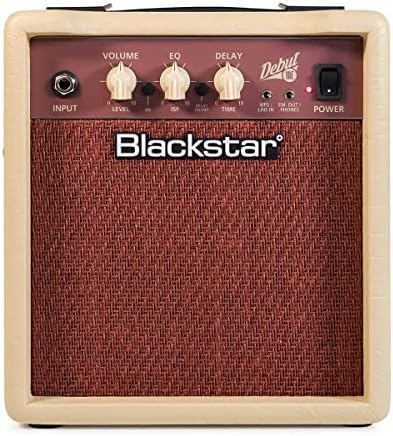
#3 – Blackstar Debut 10E
Best for: you want a low-cost 10-watt guitar amplifier with two channels and a speaker-emulated output for home use.
Why the Blackstar Debut 10E is our #3 pick
- Listed at $119 in November 2026 – entry among those compared; the price moves, so check it
- 4.4 rating from 162 ratings
wattage: 10-watt
To put that wattage in context, pick #1 states 25 Watts.
Many players prefer the clean tones found in our full JC-40 review.
Consider exploring guitar amp alternatives for your setup if you aren’t ready to buy a physical unit.
How Top Discounts picked: we started from the 110 most-reviewed guitar amp listings in our retail dataset, removed duplicates, accessories, off-category products and 8 listings whose price did not fit their specifications, and 38 qualified. The picks on this page were selected from those 38 candidates against this topic’s requirements. The order of the picks reflects fit to this topic; each shows its rating and the number of ratings behind it, so you can weigh how much to trust it. Specifications come from manufacturer listings and ratings from verified Amazon buyer reviews (data checked November 2026).
The Verdict, and the Basis for It
If your amp lives beside a bed or desk, weight and power source matter as much as wattage.
The Fender Mustang LT25 suits that setup with 25 Watts, while the Positive Grid Spark MINI suits players who want a rechargeable battery and wireless control. Choose the Blackstar Debut 10E if you want a plain 10-watt combo with aux input and built-in digital tape delay.
We screened 38 Guitar Amps at Top Discounts and compared 10 in this page’s table for home practice, then kept the shortlist between $119 and $189.99. The median price of the 10 products in our comparison is $149.50.
Use the audience checklist to find the best match for your specific playing style.
View our top picks to see the highest-rated options ranked at a glance.
Consult the buying guide to understand the key criteria for making an informed decision.
Guitar Amplifiers for Home Practice: The Findings in Brief
- Top pick: 15 pounds Fender Mustang LT25 at $189.99 (wattage: 25 Watts).
- Also picked: Positive Grid Spark MINI at $149; Blackstar Debut 10E at $119.
- We compared 10 Guitar Amps, from $118 to $349, median $149.50.
- Best buyer rating in the comparison: 15 pounds Fender Mustang LT25 at 4.8/5 from 4,036 ratings.
- Cheapest in the comparison that can practice guitar quietly with headphones in a bedroom: Blackstar Acoustic:Core 30 at $139.99 (30W).
Guitar Amps for Home Practice: Price, Rating and Specs Compared
| Product | Price | Rating | wattage | Weight |
|---|---|---|---|---|
| 15 pounds Fender Mustang LT25 | $189.99 | 4.8 (4,036 ratings) | 25 Watts | 15.23 pounds |
| Positive Grid Spark MINI | $149 | 4.6 (2,224 ratings) | 10 Watts | 3.75 pounds |
| Blackstar Debut 10E | $119 | 4.4 (162 ratings) | 10-watt | Not stated |
| Positive Grid Spark 40-Watt Combo | $349 | 4.6 (8,616 ratings) | 40 Watts | 15.2 pounds |
| Fender Acoustasonic 2313700000 | $159.99 | 4.6 (2,007 ratings) | 15 Watts | Not stated |
| MOOER Hornet Black Practice Amp | $118 | 4.7 (34 ratings) | 15 Watts | 8.13 pounds |
| Blackstar Acoustic:Core 30 | $139.99 | 4.0 (58 ratings) | 30 Watts | 1 pounds |
| Blackstar Debut 15E | $149.99 | 4.0 (106 ratings) | 15 Watts | 6.25 pounds |
| No Peavey Rage 258 Combo Amp | $149.99 | 4.4 (100 ratings) | 25 Watts | Not stated |
| JOYO 20W Acoustic Guitar Amp | $119.99 | 4.3 (87 ratings) | 20W | Not stated |
Prices are approximate and move frequently – check the current price before deciding. “Not stated” means the manufacturer listing does not give that figure – we do not estimate it.
Among our top picks, the value leader is 15 pounds Fender Mustang LT25, and its $7.60 per unit of wattage matters for home practice value.
Each Pick for Home Practice, Reviewed
The 3 picks below are reviewed in the same order as the cards above.
Fender Mustang LT25
A bedroom practice session usually needs enough output for quiet playing without a separate speaker, and the Mustang LT25 gives you 25 watts plus an 8-inch speaker. Its 1.8-inch color display and 30 preloaded presets make it easier to move between tones without building a setup from scratch.
What we like: The 25-watt rating is the strongest power figure in this short list, and that matters for home use because wattage measures output headroom. The 8-inch driver also gives it the largest speaker size among these picks, which is the part that shapes how much low end the cabinet can move. At around $189.99, it sits above the cheapest option here, but the extra money buys a more full-featured desktop practice amp.
Keep in mind: It is not the lightest option, at 15.23 pounds, so it is less appealing if you want the smallest grab-and-go amp. If you want Bluetooth app control for editing presets from a phone, this listing states Bluetooth, but it does not spell out app control.
Positive Grid Spark MINI
The Spark MINI fits home practice when you want a small amp that can sit on a desk and still give you direct recording options. It states 10 watts, a rechargeable battery, Bluetooth, wireless support, and a USB audio interface, so it covers both casual practice and computer connection in one compact unit.
What we like: The 10-watt rating puts it at the easier end of the home-practice range, which is enough for quiet playing in a bedroom. Its 3.75-pound weight makes it the most portable pick here, and the battery supports up to 8 hours of listening or play time. The free app also adds access to 50,000+ tones, 30 amps, and 40 effects, and those effects presets shape the usable sounds you can call up quickly.
Keep in mind: The smaller power figure gives you less headroom than the 25-watt Fender, so this is the better choice for portability than for pushing volume. If you want a traditional guitar speaker cabinet feel, this model is built more like a compact smart practice amp than a larger combo.
Blackstar Debut 10E
The Debut 10E suits a low-cost first home practice amp because it keeps the layout simple with two channels, a clean channel, an overdrive channel, and a built-in digital tape delay. At around $119, it is the least expensive pick here, and that price matters if you want a basic practice setup without paying for app features.
What we like: The 10-watt output is enough for quiet home use, and it keeps the amp small enough for a desk or shelf. The speaker-emulated output is useful if you want a more direct recorded signal from the amp, and the aux input gives you a simple way to play along with backing tracks. The two channels also make it easier to move from clean practice to driven tones without extra gear.
Keep in mind: This model does not state Bluetooth, USB audio, or battery power, so it is less flexible than the Spark MINI for wireless use or direct computer recording. If you want a wider effects library or app-based tone editing, the Debut 10E is the more basic choice.
What Matters Most in a Guitar Amp for Home Practice
How low-volume tone balance affects home practice
For low-volume tone balance, hold out for 10 to 25 watts if you want a home amp that can sit in a bedroom or on a desk without needing a separate speaker. The Fender Mustang LT25 states 25 watts, so it gives more headroom than the 10-watt mini and starter options here. The Spark MINI and Debut 10E both state 10 watts, which suits quieter practice at the easier end of that range. Think of wattage like the size of a sink tap: more flow gives more headroom, but the room still decides how much you actually use. For home practice, the wattage number matters more than brand names or rating counts.
Why headphone practice output matters for silent playing
For headphone practice output, look for a headphone jack or headphone-ready output before you worry about speaker size. Silent practice depends on that output, not on wattage alone. The Spark MINI is the only pick here with USB audio interface listed, which also matters if you want direct computer recording from a practice amp. The Mustang LT25 and Debut 10E both suit home use by wattage, but their listed specs do not state a headphone output, so that is the detail you should confirm before you buy. Headphone amp modeling matters here because it shapes the silent practice tone, and the Spark MINI is the only pick here that states app-based tone access alongside that recording path.
How desktop or floor footprint affects room-to-room portability
For desktop or floor footprint, weight and cabinet size matter more than raw wattage once you plan to move the amp around the house. The Spark MINI weighs 3.75 pounds, so it is the easiest to carry from room to room. The Blackstar Debut 10E does not state a weight, so size and placement need more caution on that model. The Mustang LT25 weighs 15.23 pounds and uses an 8-inch speaker, which makes it the most substantial of the three. For a bedroom corner or shelf, the Spark MINI is the smallest carry; for a more anchored desktop practice setup, the Mustang gives the larger cabinet and driver.
How built-in effects and presets shape easy editing and recall
For built-in effects and presets, the strongest signal is how much editing and recall the amp gives you without extra gear. The Mustang LT25 lists 30 preloaded presets, so it gives the most immediate preset library of the three. The Spark MINI lists a smart app, Auto Chords, video creation, 50,000+ tones, and 40 effects, which makes it the most flexible for phone-based editing. The Debut 10E stays simpler with two channels, clean and overdrive, plus built-in digital tape delay. If you want a modern modeling combo like the Fender Mustang GTX series, this page’s picks are closer to home-practice tools than that benchmark, and the Mustang LT25 is the closest match among them.
Speaker Response At Bedroom Levels
For speaker response at bedroom levels, speaker size changes how full the amp feels more than it changes loudness by itself. The Mustang LT25 uses an 8-inch Fender special design guitar speaker, which is the largest driver among these picks. The Spark MINI and Debut 10E do not state speaker size, so you cannot compare their low-end response from the provided data alone. A larger speaker is like a wider pan for a sauce: it gives the sound more room, but the wattage still sets how much push reaches it. If you want a desktop reference for premium home practice and recording use, the Yamaha THR series is the named benchmark; the Spark MINI is the closest here on portability, while the Mustang LT25 is the only pick that states an 8-inch driver.
Find answers to common questions in the FAQ section.
Compare the specs side by side in the comparison table.
See the setup and warranty notes for information on installation and manufacturer support.
You can also find a detailed breakdown in our Yamaha THR10II review.
Each Job, What It Takes and How the Picks Do
Each row is a job this page’s buyers ask about, worked out from each pick’s listed wattage and a typical need for the job.
| What you want to do | What it takes | How each pick does |
|---|---|---|
| Practice guitar quietly with headphones in a bedroom | at least 10 to 25W | 15 pounds Fender Mustang LT25: yes (25W); Positive Grid Spark MINI: only at the easier end (10W); Blackstar Debut 10E: only at the easier end (10W) |
| Carry the amp from room to room without it feeling oversized | at least 10 to 25W | 15 pounds Fender Mustang LT25: yes (25W); Positive Grid Spark MINI: only at the easier end (10W); Blackstar Debut 10E: only at the easier end (10W) |
| Use the amp as a desktop practice unit on a desk or shelf | at least 10 to 25W | 15 pounds Fender Mustang LT25: yes (25W); Positive Grid Spark MINI: only at the easier end (10W); Blackstar Debut 10E: only at the easier end (10W) |
Each need is a typical figure for that job rather than a manufacturer claim, and the picks’ results come from their listed specifications. Where your job is bigger or smaller than the typical one, go by your own figure.
Who Buys Guitar Amplifiers, and What It Really Costs
Who buys a guitar amplifier, and what each one needs
- Apartment dwellers — need 10 W to 25 W so they can practice at home without a separate speaker
- Bedroom players — need headphone output for silent practice when shared walls make volume a problem
- New guitar students — need a 1/4-inch instrument input, the standard guitar jack, for simple wired plug-in
- Home recordists — need USB audio interface, computer recording connection, for direct takes into a laptop
- Pedalboard users — need Bluetooth app control, phone editing and streaming, for preset changes without standing at the amp
- Band musicians practicing at home — need enough headroom, clean volume room, to keep parts clear before rehearsal
What a guitar amp really costs, and where to buy one
What to budget for on top of the guitar amp
- Instrument cable — needed to connect a guitar to the 1/4-inch input
- Headphones — needed for silent practice when the amp has a headphone output
- USB cable — needed for direct recording to a computer through the USB audio interface
- Power strip — needed when the practice spot has too few outlets
- Guitar stand — needed to keep the instrument ready in a small home setup
What you can leave out of the budget
- External speaker cabinet — you can skip it when the combo already has its own speaker
- Large stage amp cover — you can skip it because home practice gear is usually moved short distances
- Microphone for practice — you can skip it if you are not miking the amp for recording
- Footswitch — you can skip it if you only need basic home practice and preset changes
Where this kind of product is normally sold
- Music specialty stores — hands-on testing, staff setup help, and easier return handling for amps
- General online retailers — broad price comparison, home delivery, and standard return windows
- Used gear marketplaces — lower upfront cost, but condition and warranty handling vary by seller
- Big-box electronics stores — simple checkout and store returns, with limited category depth
- Direct brand stores — clearer warranty support and bundle options, with fixed pricing behavior
Review the scope to see which types of amplifiers are included in this guide.
Check our minimum requirements to ensure you select a model that meets your basic needs.
Explore the detailed reviews for a deep dive into the features of every model listed.
Before the First Use, and After Delivery
What these guitar amps need before they work
All three need a power source before they make sound, and the Blackstar Debut 10E is the only one here that does not state battery power. For home practice, that matters because mains power keeps the amp ready on a desk or shelf, while battery power lets you move the Spark MINI more freely.
- Positive Grid Spark MINI states Bluetooth and a rechargeable battery. You can use it without a mains outlet, which the other two do not state.
- Blackstar Debut 10E states an aux input and a speaker-emulated output. It does not state Bluetooth, so pairing a phone for backing tracks is not part of its listed setup.
- Fender Mustang LT25 states USB and Bluetooth. That gives you a computer connection and wireless control, while the Debut 10E stays wired.
- Headphones are named in the section brief for silent practice. Only the Spark MINI and Mustang LT25 state features that support that use directly; the Debut 10E listing does not state a headphone output.
What to verify when the box arrives
Cover differs by seller and country. Before your return window closes, confirm the parts and connections that matter most for a bedroom guitar amp.
- Check that the power adapter is present if you chose the Blackstar Debut 10E. It states mains use, so a missing adapter would stop it from working at all.
- Confirm the speaker and cabinet were not damaged in transit. The Mustang LT25 uses an 8-inch speaker, and that part is the main output path for every amp here.
- Verify the Bluetooth function on the Fender Mustang LT25 and Positive Grid Spark MINI if you plan to stream backing tracks. Wireless playback is central to home practice, and a missing pairing function changes how you use the amp.
- Make sure the USB connection on the Mustang LT25 and Spark MINI is recognized if you want recording later. USB is the direct computer link, and replacing a faulty port is not a simple user fix.
Plug in the guitar, power it on, and confirm sound, volume control, and any Bluetooth or USB connection while the return window is still open.
Questions Buyers Ask Before Choosing Guitar Amplifiers for Home Practice
Do I need built-in effects, presets, or amp models, or is a simple clean channel enough?
A simple clean channel is enough if you want a straightforward practice amp, while presets and amp models suit you when you want more sounds from one box. The Fender Mustang LT25 states 30 presets, and the Blackstar Debut 10E states a clean channel, an overdrive channel, and built-in digital tape delay. The Spark MINI adds 30 amps, 40 effects, and a free app for iOS and Android.
Will this amp work for electric guitar only, or can it also handle bass or acoustic-electric guitar?
Not every guitar amp here is limited to electric guitar only. The Spark MINI states compatibility with electric guitar, acoustic, and bass, while the Mustang LT25 is listed for guitar. The Debut 10E does not state acoustic or bass compatibility, so you should treat that as unknown.
Which home practice guitar amp is easiest to place on a desk or shelf?
The easiest home practice guitar amp to place on a desk or shelf is the one with the smallest footprint and lightest weight. The Spark MINI weighs 3.75 pounds and measures 5.76 x 4.84 x 6.49 inches, so it suits a cramped desk beside a laptop and a notebook. The Debut 10E stays compact too, but its weight is not stated.
Which practice amp for home gives you the most speaker size in this group?
The practice amp for home with the largest speaker size here is the Mustang LT25, which uses an 8-inch Fender special design guitar speaker. That size matters because speaker diameter affects how much low end the cabinet can move. The Spark MINI and Debut 10E do not state a speaker size in the data given.
Which home use guitar amplifier is the better pick for a bedroom setup?
If your bedroom setup needs a quiet practice amp with a simple signal path, the Debut 10E fits that job with a clean channel, an overdrive channel, and speaker-emulated output. For a specific late-night setup, the Spark MINI can sit on a bedside table and run from its rechargeable battery.
Who Should Skip These Guitar Amps
If you need a combo that starts covering rehearsals or small gigs with a drummer, these three are the wrong tool. None of them is built around the 50 W level that marks that job in this category, so you would be buying for home practice and then outgrowing the amp for louder work.
For that use case, move up to a higher-wattage guitar amplifier, or to a combo with a larger speaker and more headroom. If you also need modeler-friendly playback, look for FRFR monitors instead of a normal guitar speaker; otherwise, you risk a return and a second purchase.
Top Discounts is reader-supported: some links on this page are affiliate links, and as an Amazon Associate Top Discounts earns from qualifying purchases at no extra cost to you. Learn more.